Down Syndrome Awareness Month: Moving From Awareness to Inclusion
Every October, Down Syndrome Awareness Month gives us an opportunity to celebrate people with Down syndrome, raise awareness and advocate for more inclusive communities.
The National Down Syndrome Society (NDSS) helped establish October as Down Syndrome Awareness Month in the 1980s. Today, the month continues to focus on celebrating the abilities of people with Down syndrome, breaking down barriers and promoting advocacy.
At The Mission Project, we believe awareness is important—but it’s only the beginning.
True inclusion means creating communities where adults with Down syndrome and other intellectual and developmental disabilities (IDD) have opportunities to live independently, work, build meaningful relationships, make their own choices and contribute their talents.
What Is Down Syndrome Awareness Month?
Down Syndrome Awareness Month is recognized each October as an opportunity to celebrate individuals with Down syndrome while increasing understanding and promoting advocacy and inclusion.
For those of us who know and love someone with Down syndrome, October is also an opportunity to challenge assumptions.
Adults with Down syndrome have different personalities, interests, strengths, goals and dreams—just like anyone else. Inclusion starts with seeing the individual rather than making assumptions based on a diagnosis.
And that means moving beyond simply being aware of Down syndrome.
What Does Inclusion Really Look Like?
Inclusion doesn’t have to mean a special event or program. Often, it’s found in the ordinary parts of everyday life.
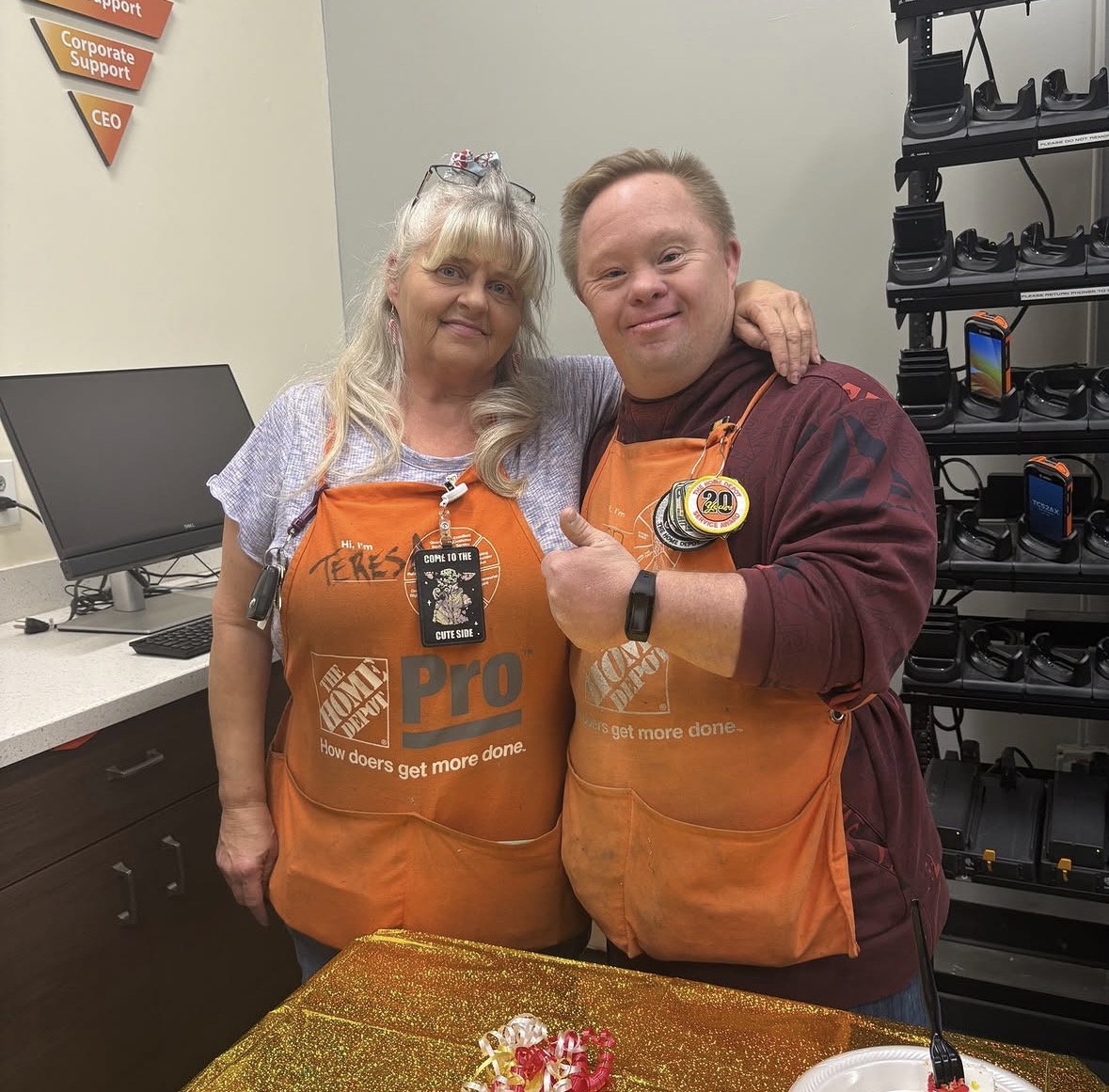
It’s having a job and coworkers who value your contribution.
It’s choosing where you live and learning how to manage your home.
It’s making plans with friends, joining a club, taking a class, going out to dinner or volunteering in your community.
It’s having a voice in decisions that affect your own life.
And it’s having the right support available when you need it without losing the opportunity to make your own choices.
For adults with Down syndrome and other developmental disabilities, these everyday opportunities can play an important role in building confidence, independence and a sense of belonging.
Employment Is an Important Part of Inclusion
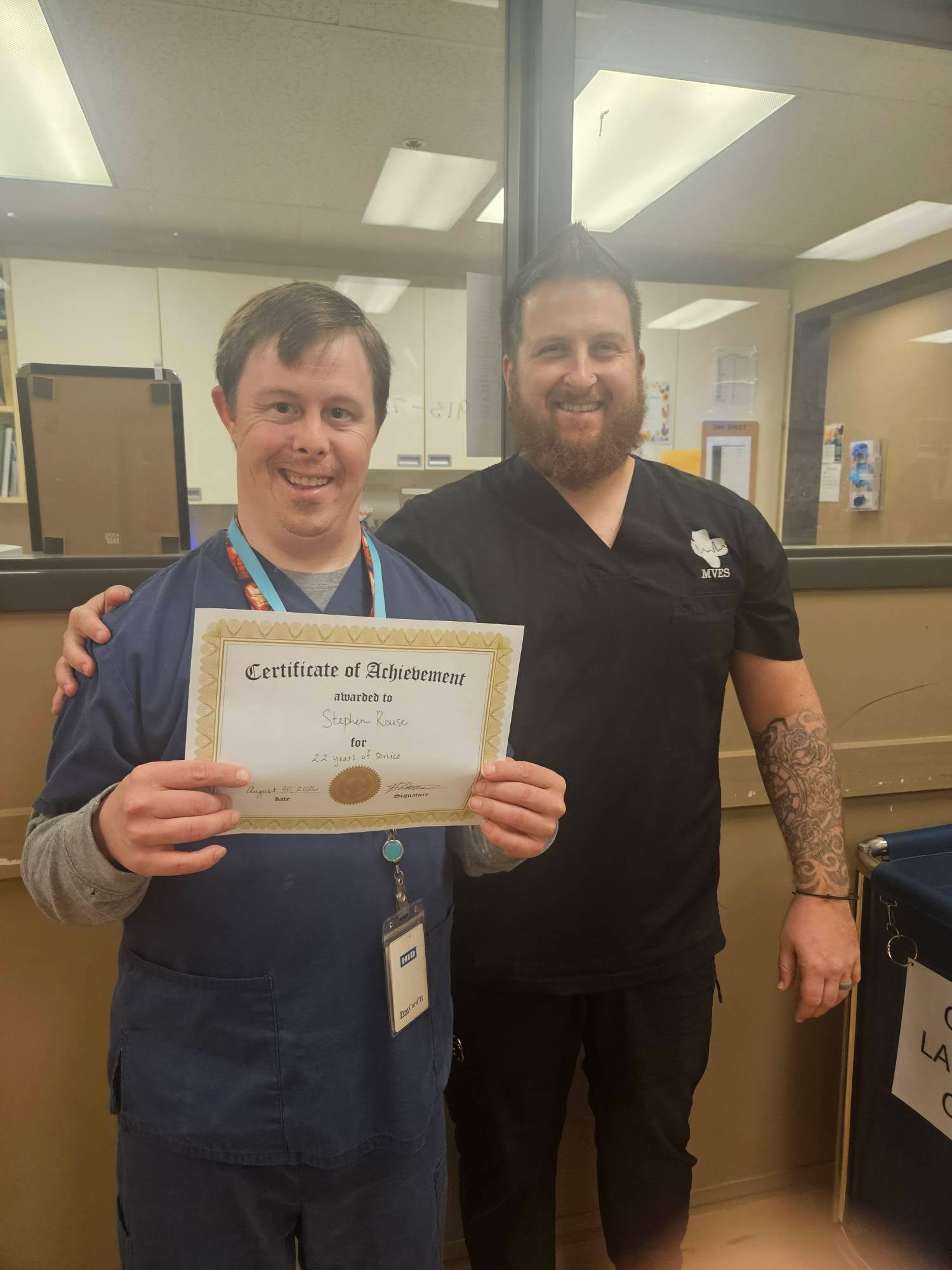 October is also National Disability Employment Awareness Month (NDEAM), making this a particularly fitting time to talk about inclusive employment.
The U.S. Department of Labor’s 2026 NDEAM theme is “Celebrating Value and Talent,” recognizing the skills and contributions people with disabilities bring to workplaces, communities and the economy.
We’ve seen the impact of meaningful employment firsthand at The Mission Project.
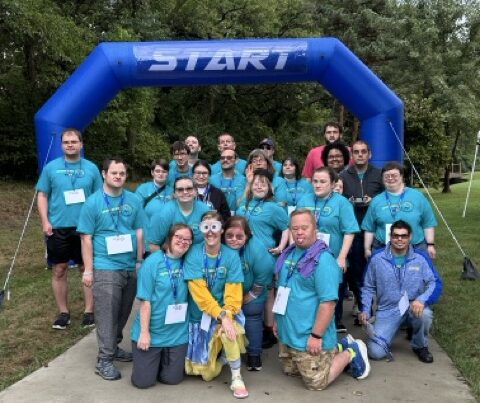
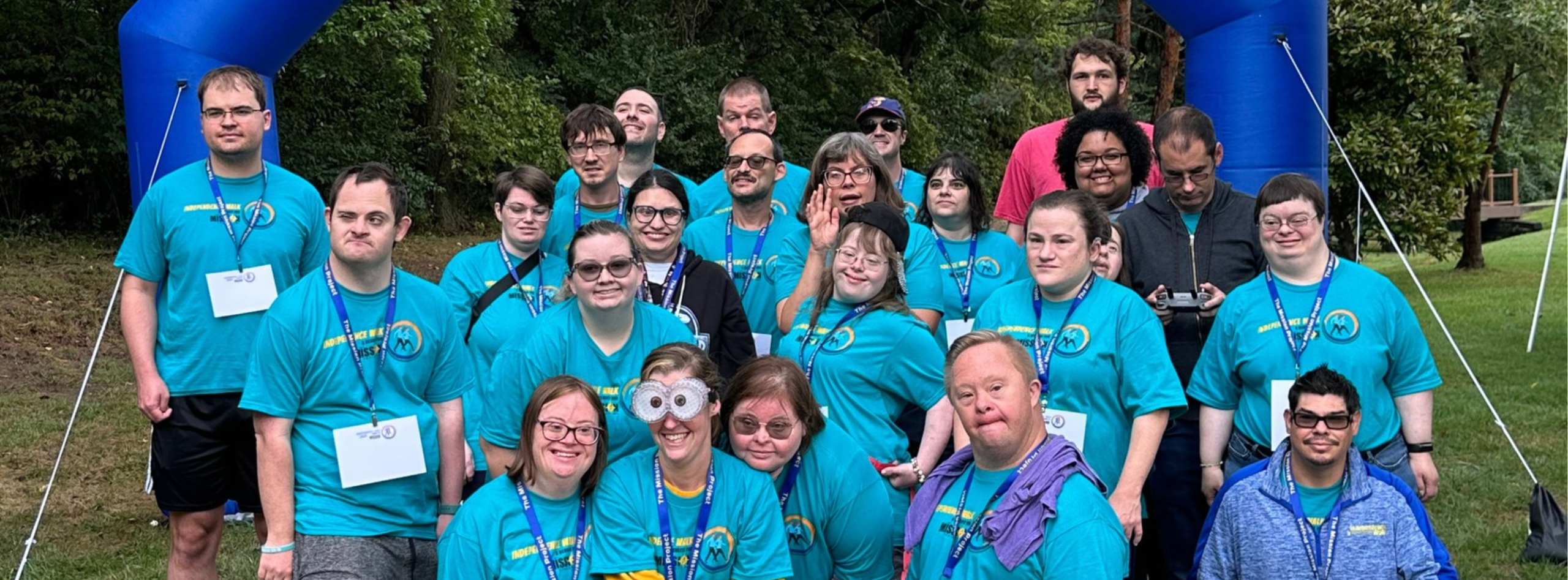
Our participants work throughout the Kansas City community, developing skills, earning income, forming relationships with coworkers and taking pride in what they contribute.
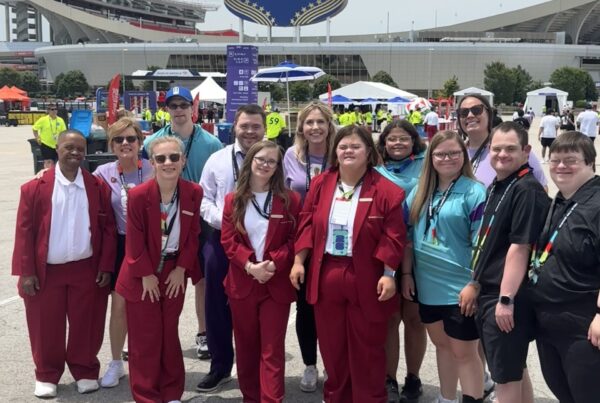
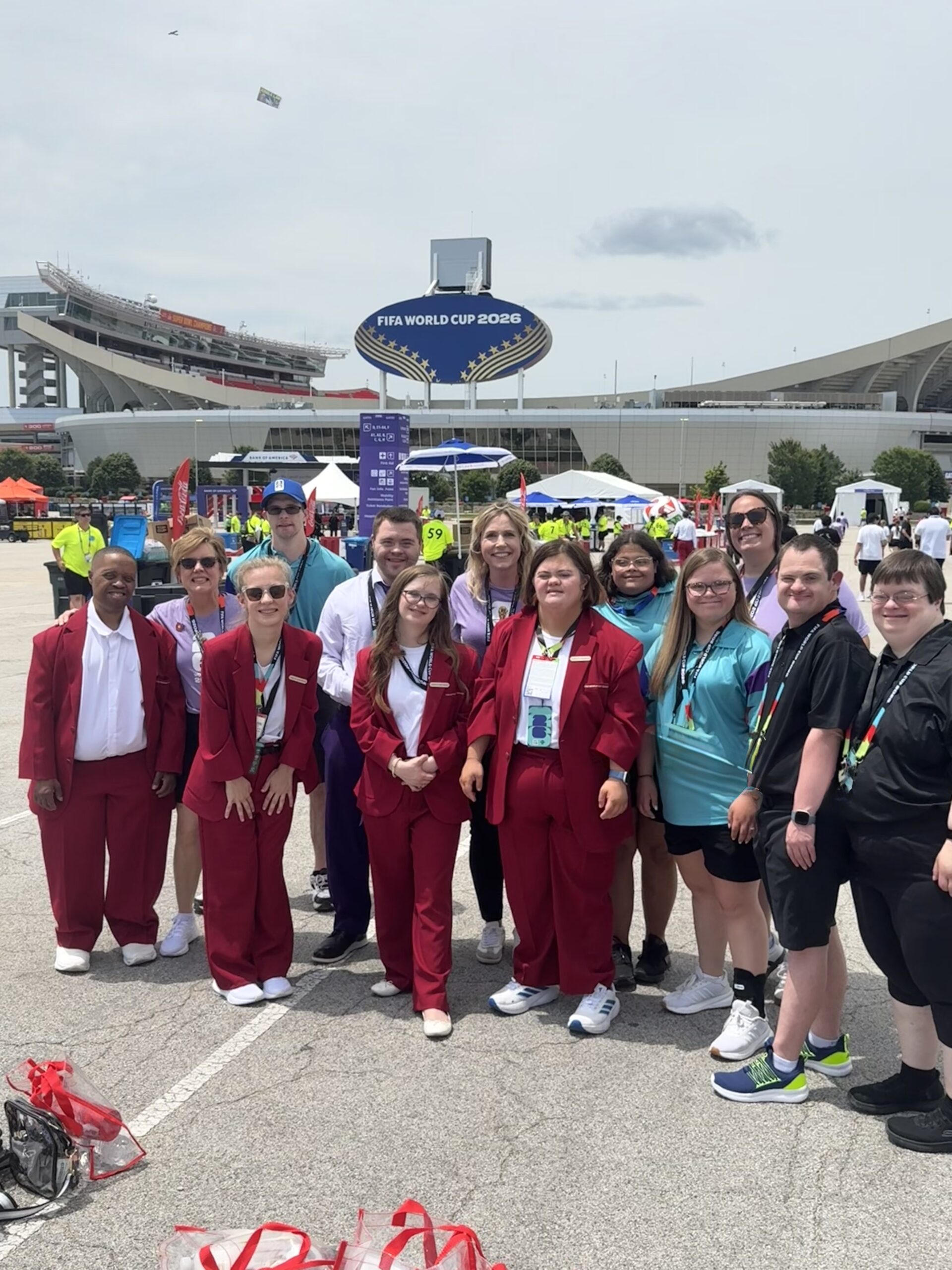
Recently, Mission Project participants Dan and Ellen had the opportunity to work FIFA World Cup matches in Kansas City through their employment with Down Syndrome Innovations. Their experience was a great example of what inclusive employment can look like: employees being valued for their work while participating in a historic moment for our city.
Employment isn’t simply about having somewhere to go during the day. Meaningful work can provide purpose, greater financial independence, social connections and an opportunity to contribute to the broader community.
Independence Looks Different for Everyone
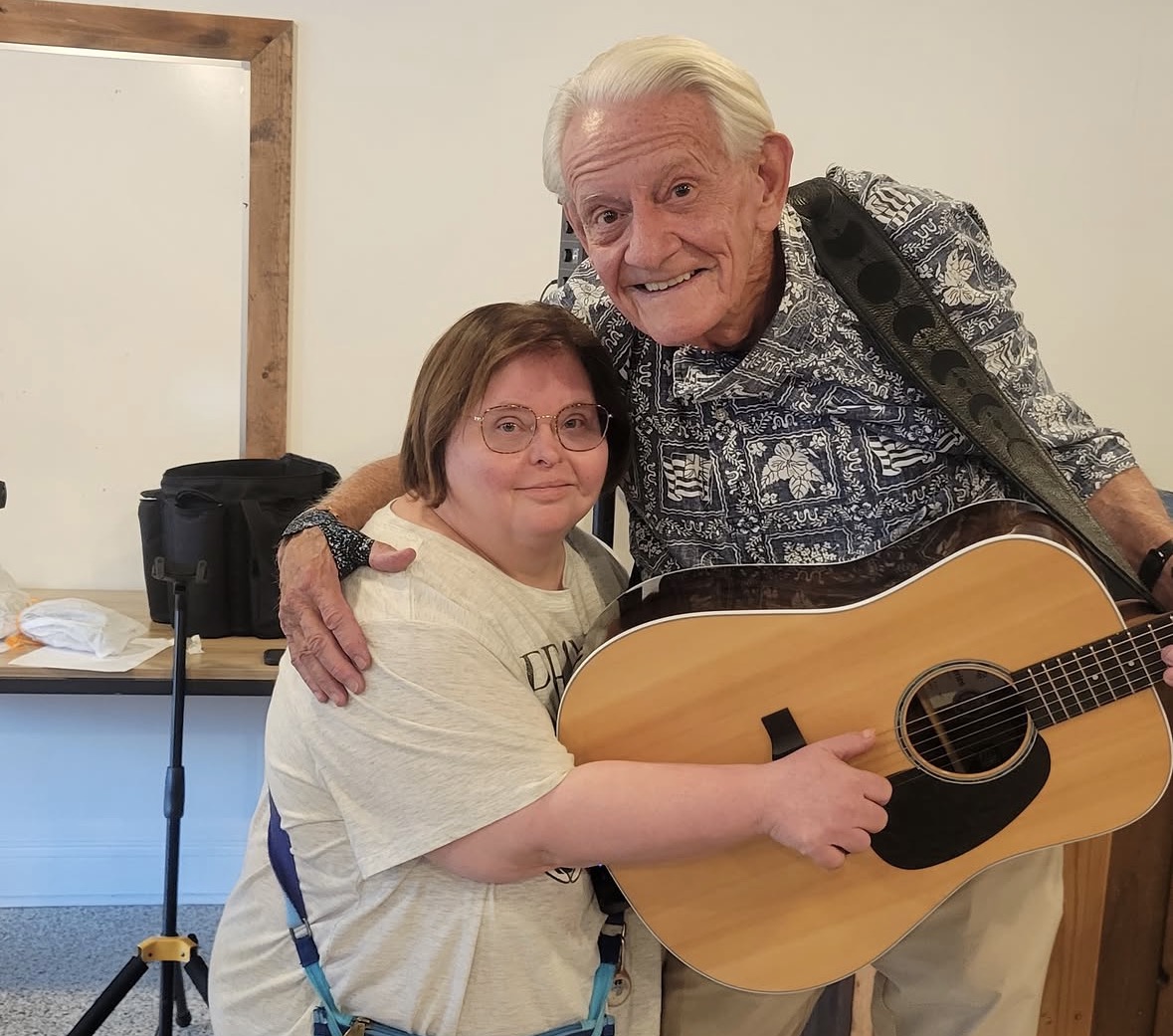
One of the most important parts of inclusion is recognizing that independence doesn’t have to look the same for everyone.
Some adults may need more support with transportation, finances, employment or daily tasks. Others may need less. Those needs can also change throughout a person’s life.
The goal isn’t independence without any support. It’s providing the right support so individuals can make choices, develop skills and live lives that are meaningful to them.
That’s at the heart of The Mission Project’s approach to supporting adults with intellectual and developmental disabilities.
5 Ways to Practice Inclusion Beyond October
Down Syndrome Awareness Month gives us a reason to start the conversation, but meaningful inclusion happens all year.
Here are a few ways all of us can help:
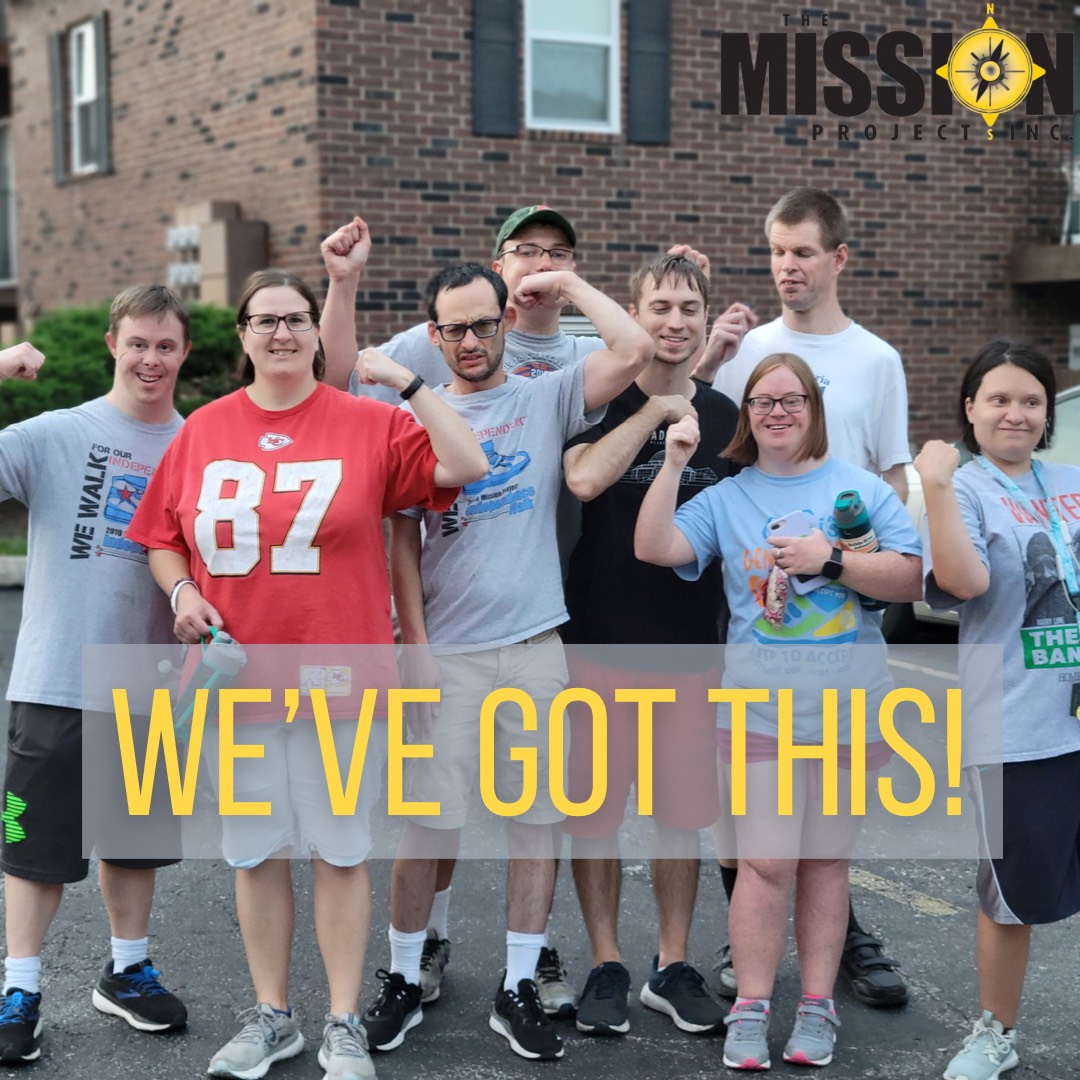 1. Presume competence.
Don’t assume what someone can or can’t do based on a diagnosis. Give people the opportunity to show you.
2. Create meaningful employment opportunities.
Employers can look beyond traditional hiring practices and recognize the skills and talents people with disabilities bring to the workplace.
3. Include people in everyday community life.
Inclusion isn’t just access to disability-specific programs. It’s belonging in workplaces, neighborhoods, restaurants, gyms, churches, clubs and community organizations.
4. Listen to self-advocates.
When decisions affect people with disabilities, their voices should be part of the conversation.
5. Build relationships.
Sometimes inclusion is as simple—and as meaningful—as getting to know someone. Friendship, conversation and genuine connection go a long way toward breaking down barriers.
From Awareness to Action
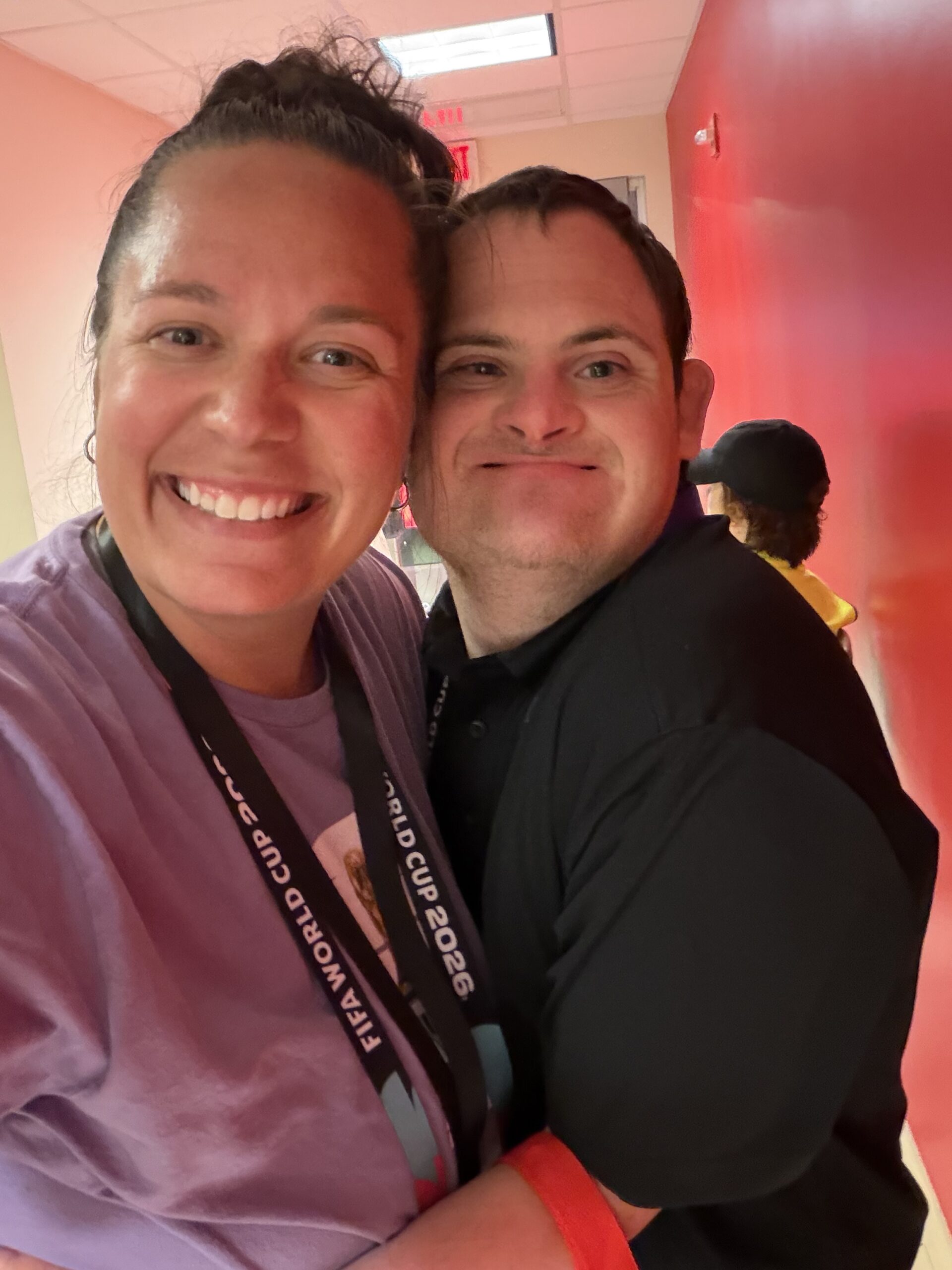 This Down Syndrome Awareness Month, we celebrate the people with Down syndrome who enrich our workplaces, neighborhoods, families and communities.
But we also challenge ourselves to keep moving forward.
At The Mission Project, we see every day what can happen when adults with intellectual and developmental disabilities have opportunities to build skills, develop friendships, work, advocate for themselves and live more independently.
Awareness opens the door. Inclusion means making sure everyone has the opportunity to walk through it.
We hope you’ll join us this October—and throughout the year—in building communities where people of all abilities have the opportunity to belong, contribute and thrive.
For additional information and resources for Down Syndrome Awareness Month, visit the National Down Syndrome Society.